Prelude to a Quake?
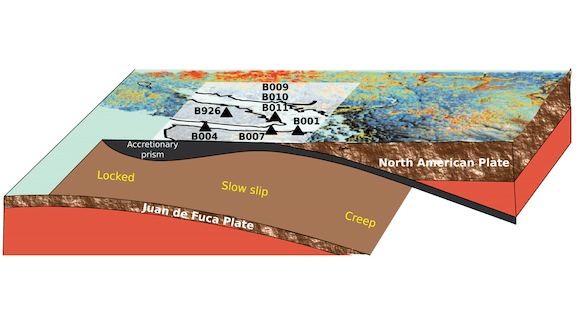
Geologists call them slow slips: deep, low-frequency earthquakes that can last a month but have little effect on the surface. A model trained to predict such events could help with forecasting potentially catastrophic quakes.
16 Posts

Geologists call them slow slips: deep, low-frequency earthquakes that can last a month but have little effect on the surface. A model trained to predict such events could help with forecasting potentially catastrophic quakes.

Geologists call them slow slips: deep, low-frequency earthquakes that can last a month but have little effect on the surface. A model trained to predict such events could help with forecasting potentially catastrophic quakes.

Basketball coaches sketch plays on a whiteboard to help players get the ball through the net. A new AI model predicts how opponents would respond to these tactics. A team of researchers in Taiwan trained a conditional generative adversarial network on data from National Basketball Association games.

A number of countries restrict commercial use of personal data without consent unless they’re fully anonymized. A new paper proposes a way to anonymize images of faces, purportedly without degrading their usefulness in applications that rely on face recognition.

Despite dramatic recent progress, natural language generation remains an iffy proposition. Even users of the muscular GPT-2 text generator have to press the button a number of times to get sensible output. But researchers are figuring out how to exert greater control over generated text.

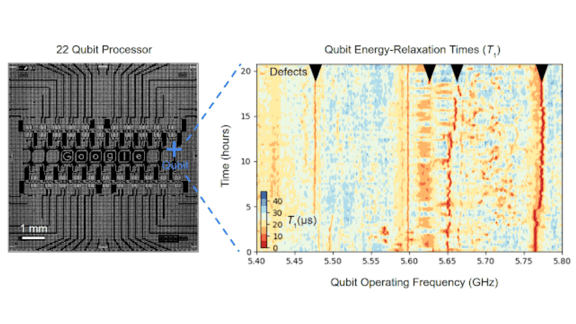
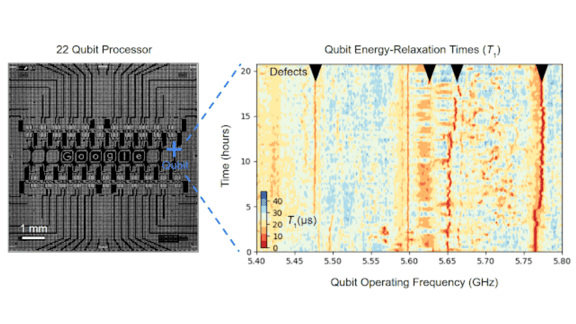
A leaked paper from Google’s quantum computing lab claims “supremacy” over conventional computers. The U.S. space agency NASA, whose scientists are collaborating with Google on a quantum computer, accidentally published a paper describing the breakthrough.

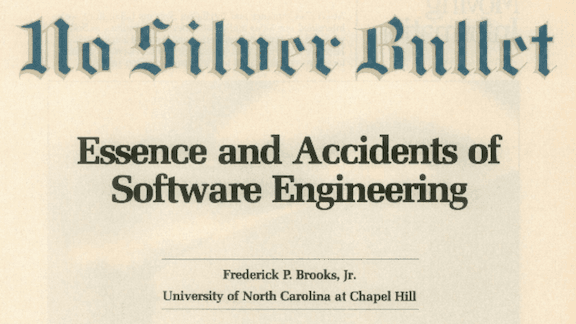
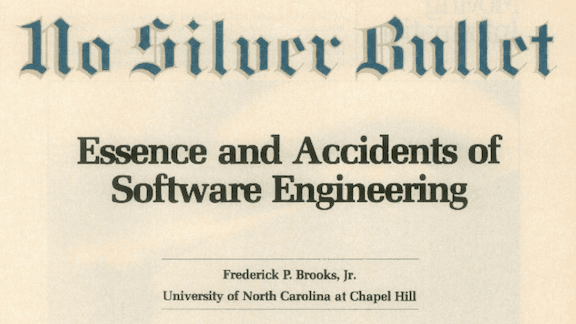
Thinking about the future of machine learning programming frameworks, I recently reread computer scientist Fred Brooks’ classic essay, “No Silver Bullet: Essence and Accidents of Software Engineering.” Three decades after its initial...

Thinking about the future of machine learning programming frameworks, I recently reread computer scientist Fred Brooks’ classic essay, “No Silver Bullet: Essence and Accidents of Software Engineering.” Three decades after...

Amazon is writing what it hopes will become U.S. law governing use of face recognition technology. At a press event, Jeff Bezos told that his company’s lawyers are drafting a statutory framework to guide what he views as an inevitable federal crackdown on face recognition.

Thinking about the future of machine learning programming frameworks, I recently reread computer scientist Fred Brooks’ classic essay, “No Silver Bullet: Essence and Accidents of Software Engineering.” Three decades after...

Despite dramatic recent progress, natural language generation remains an iffy proposition. Even users of the muscular GPT-2 text generator have to press the button a number of times to get sensible output. But researchers are figuring out how to exert greater control over generated text.

Basketball coaches sketch plays on a whiteboard to help players get the ball through the net. A new AI model predicts how opponents would respond to these tactics. A team of researchers in Taiwan trained a conditional generative adversarial network on data from National Basketball Association games.

A number of countries restrict commercial use of personal data without consent unless they’re fully anonymized. A new paper proposes a way to anonymize images of faces, purportedly without degrading their usefulness in applications that rely on face recognition.

A leaked paper from Google’s quantum computing lab claims “supremacy” over conventional computers. The U.S. space agency NASA, whose scientists are collaborating with Google on a quantum computer, accidentally published a paper describing the breakthrough.

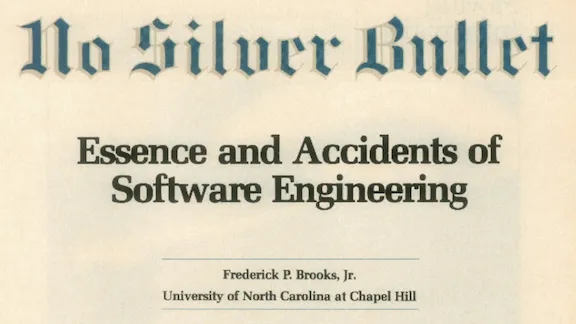
Thinking about the future of machine learning programming frameworks, I recently reread computer scientist Fred Brooks’ classic essay, “No Silver Bullet: Essence and Accidents of Software Engineering.” Three decades after its initial...
Stay updated with weekly AI News and Insights delivered to your inbox