Feb 19, 2020
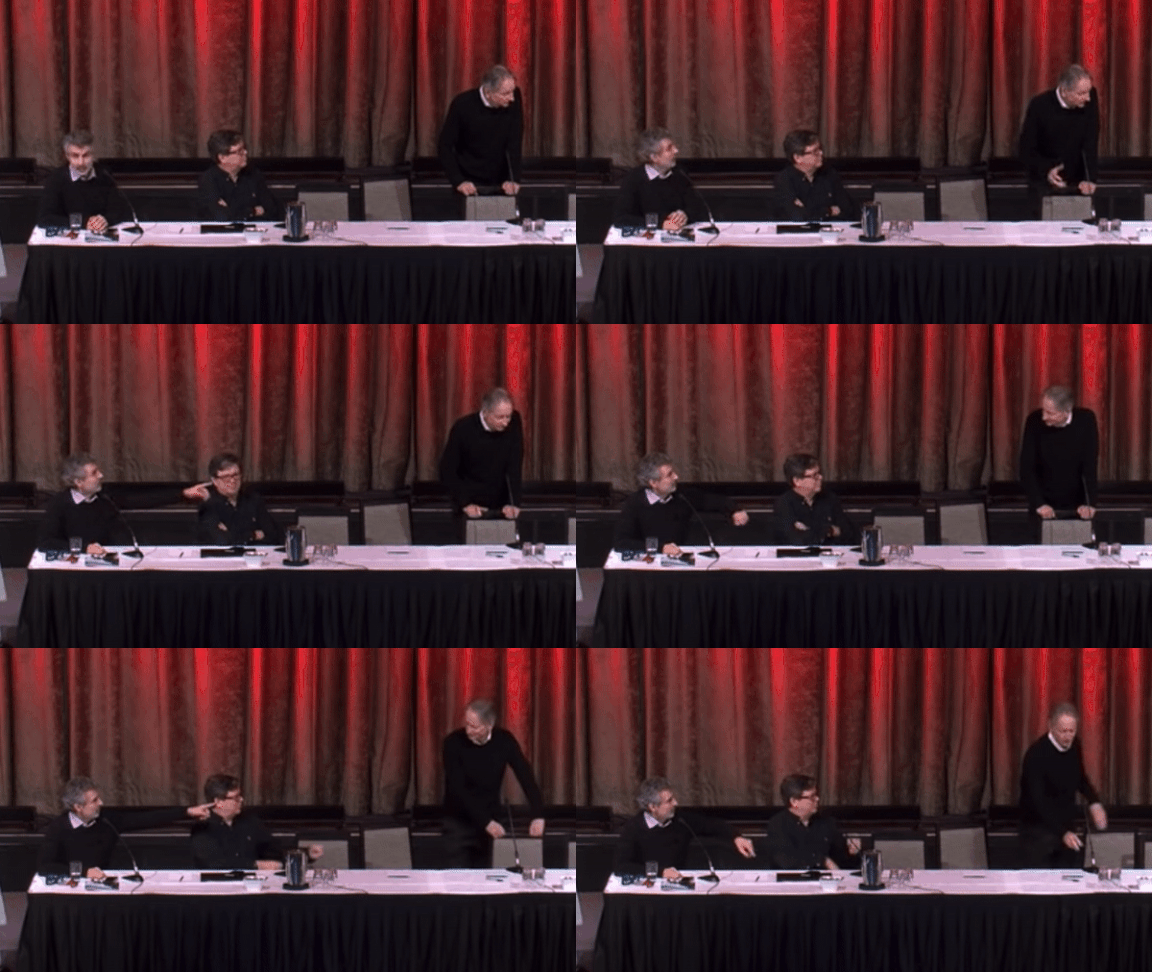
Meeting of the Minds: Deep learning pioneers discuss the state of AI.
Geoffrey Hinton, Yoshua Bengio, and Yann LeCun presented their latest thinking about deep learning’s limitations and how to overcome them.

16 Posts
Geoffrey Hinton, Yoshua Bengio, and Yann LeCun presented their latest thinking about deep learning’s limitations and how to overcome them.

The business world continues to shape deep learning’s future. Commerce is pushing AI toward more efficient consumption of data, energy, and labor, according to a report on trends in machine learning from market analyst CB Insights.

Wouldn’t it be great to see around corners? Deep learning researchers are working on it. Researchers developed deep-inverse correlography, a technique that interprets reflected light to reveal objects outside the line of sight.
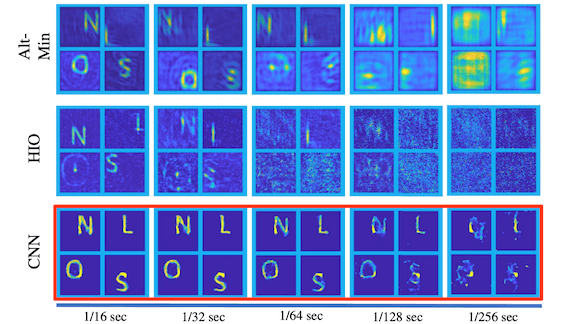
Wouldn’t it be great to see around corners? Deep learning researchers are working on it. Researchers developed deep-inverse correlography, a technique that interprets reflected light to reveal objects outside the line of sight.

AI’s ability to transfer a person’s face from a source photo onto someone in a target photo doesn’t work so well when the target face is partially obscured by, say, eyeglasses, a veil, or a hand. A new technique handles such occlusions.
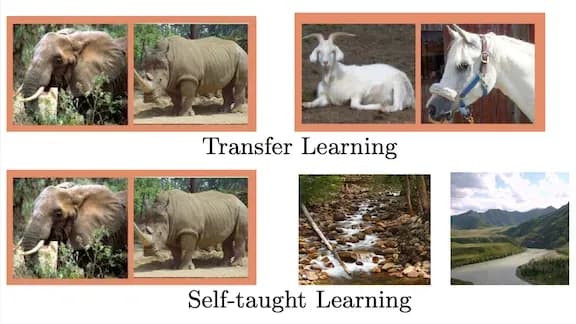
Nearly a decade ago, I got excited by self-taught learning and unsupervised feature learning — ways to learn features from unlabeled data that afterward can be used in a supervised task.
The business world continues to shape deep learning’s future. Commerce is pushing AI toward more efficient consumption of data, energy, and labor, according to a report on trends in machine learning from market analyst CB Insights.
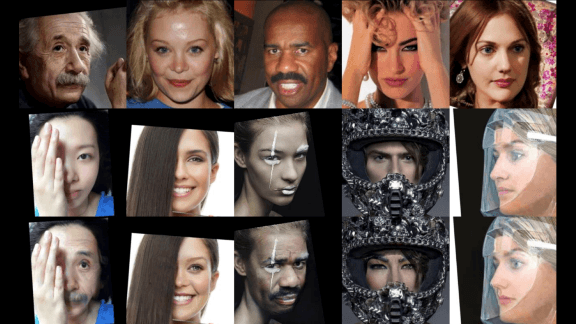
AI’s ability to transfer a person’s face from a source photo onto someone in a target photo doesn’t work so well when the target face is partially obscured by, say, eyeglasses, a veil, or a hand. A new technique handles such occlusions.
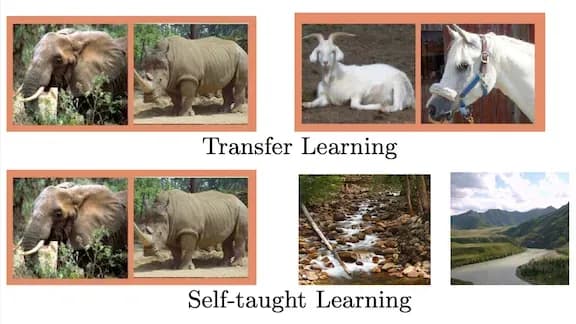
Nearly a decade ago, I got excited by self-taught learning and unsupervised feature learning — ways to learn features from unlabeled data that afterward can be used in a supervised task.
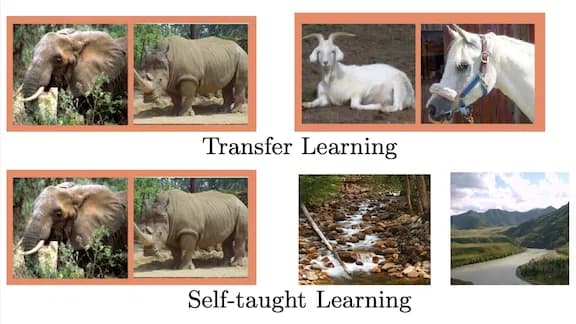
Nearly a decade ago, I got excited by self-taught learning and unsupervised feature learning — ways to learn features from unlabeled data that afterward can be used in a supervised task. These ideas contributed only marginally to practical performance back then, but I’m pleased

A digital attorney is helping consumers take telemarketers and phone scammers to court. DoNotPay makes an app billed as the world’s first robot lawyer. Its latest offering, Robo Revenge, automates the process of suing intrusive robocallers.

Nearly a decade ago, I got excited by self-taught learning and unsupervised feature learning — ways to learn features from unlabeled data that afterward can be used in a supervised task. These ideas contributed only marginally to practical performance back then, but I’m pleased
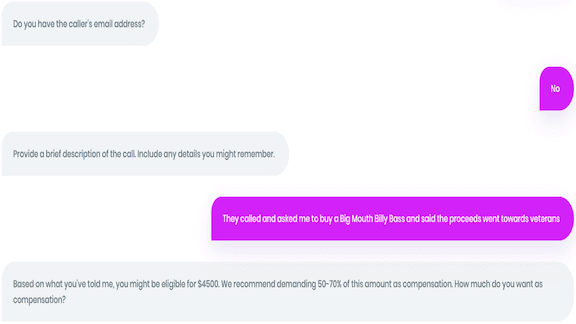
A digital attorney is helping consumers take telemarketers and phone scammers to court. DoNotPay makes an app billed as the world’s first robot lawyer. Its latest offering, Robo Revenge, automates the process of suing intrusive robocallers.

Geoffrey Hinton, Yoshua Bengio, and Yann LeCun presented their latest thinking about deep learning’s limitations and how to overcome them.

Police in the U.S. routinely use AI to track cars with little accountability to the public. Documents obtained by Wired revealed just how intensively police in Los Angeles, California, have been using automatic license plate readers.
Stay updated with weekly AI News and Insights delivered to your inbox